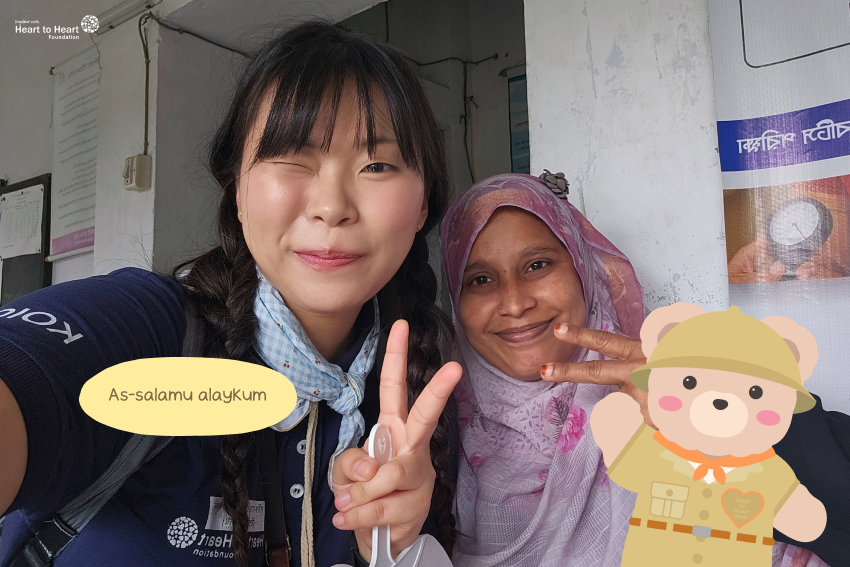
Hello! I‘m Min-Yeong Oh, a Young Professional (YP) in the Global Program Department at Heart to Heart Foundation.
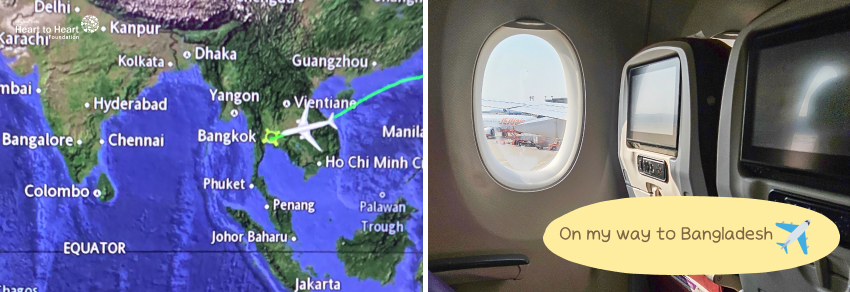
Last May, I traveled to Bangladesh for my very first field visit to support the Primary Eye Health Project in Savar and Dhamrai, two sub-districts in Dhaka District.
As a newcomer to international development, this visit was a huge turning point for me.
It was my first time visiting an overseas project site, experiencing project monitoring firsthand, and seeing how global health initiatives actually work in the real world.
For months at headquarters, I had only experienced this project through papers and reports.
So, this visit was a valuable opportunity to see the operational realities on the ground and truly understand our primary eye care service model.
Looking back, this journey gave me answers far deeper than I expected.
Let’s dive into these moments together!
The most remarkable part of this field visit was stepping into the very places I had previously only seen on a computer screen.
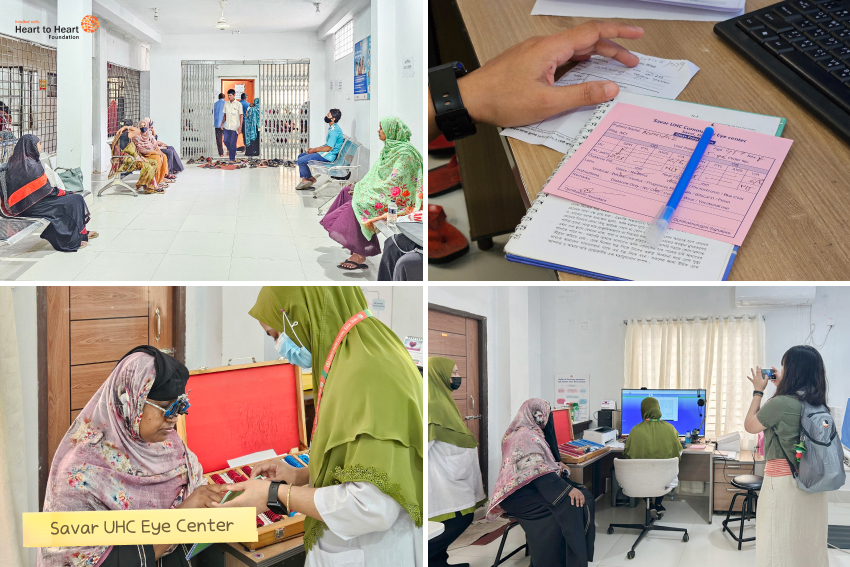
Visiting the community eye centers at the Upazila Health Complexes (UHC) in both Savar and Dhamrai allowed me to observe the actual patient care process in motion.
In particular, I observed the telemedicine protocol firsthand and noted several key strengths of our primary eye care service model:
On-the-Spot Care : Patients underwent systematic vision testing and basic eye exams, receiving custom eyeglasses or essential medications immediately on-site.
100% Free of Charge : All consultations, tests, and prescribed medicines or eyeglasses were provided free of charge, effectively removing financial barriers for local residents.
Efficient Remote Delivery : It was remarkable to see this level of primary care delivered efficiently and continuously, even without an ophthalmologist physically present on-site.
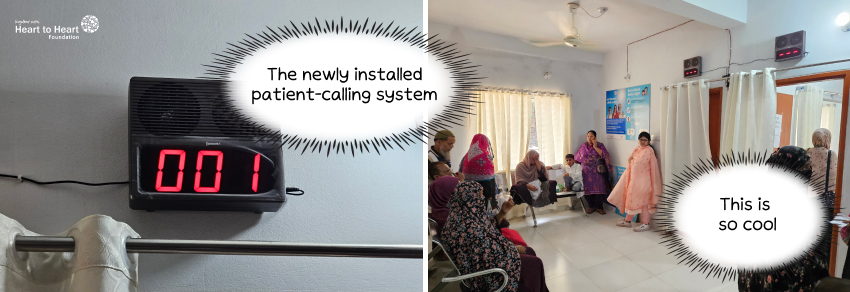
At the Savar UHC Eye Center, I was pleasantly surprised by the newly introduced patient-calling system.
Seeing this setup made me realize how much continuous effort goes into reducing discomfort and waiting times for patients, making the medical environment far more organized.
It also made me look forward to seeing how the center continues to improve.
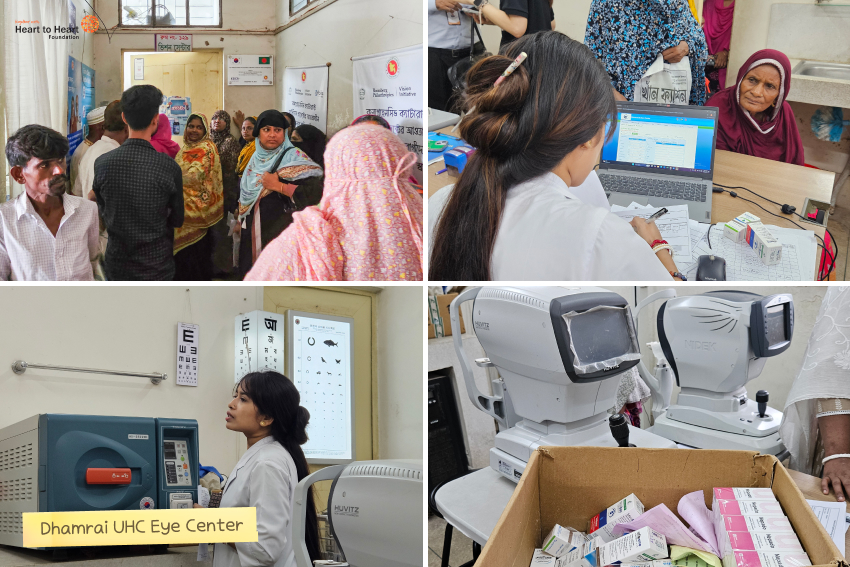
At the Dhamrai UHC Eye Center, I noticed that more than 20 patients visited every single day seeking treatment for painful eye conditions.
The ophthalmic nurses were working tirelessly with incredible dedication and bright energy.
However, despite the hard work of each UHC to run these Eye Centers smoothly, we observed a real operational bottleneck in the telemedicine process.
Patients with severe conditions required detailed specialist examinations,
but connecting to the remote system to get an ophthalmologist’s expert opinion took a significant amount of time due to the high volume of daily visitors.
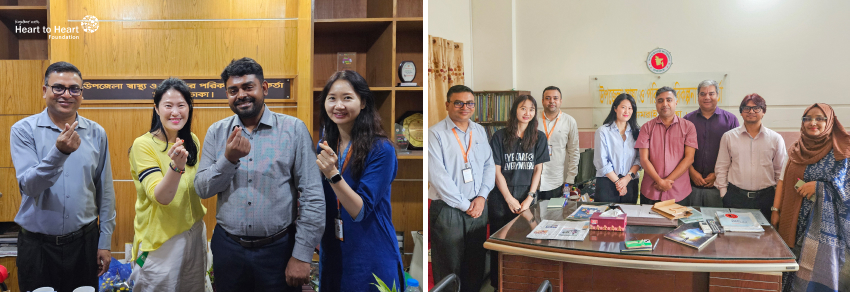
To adressed these localized challenges, our team met with the Upazila Health & Family Planning Officers (UH&FPOs)—the chief medical officers of both districts.
We presented our data-driven field observations and discussed practical ways to optimize patient routing and remote connection efficiency.
Both officers fully agreed with the urgency of these improvements and promised their full support.
This experience reminded me that while solid facilities and technology are essential,
the ultimate driving force behind a sustainable project is the genuine ownership and collaboration of the local people involved.
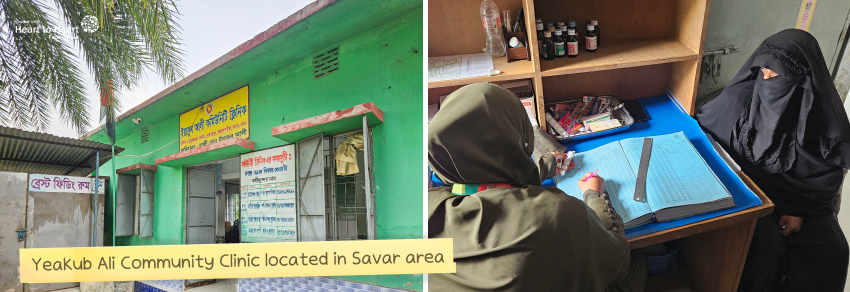
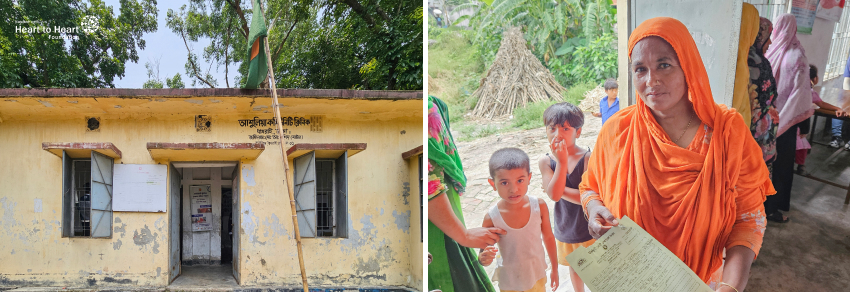
We also visited a local Community Clinic (C.C.) in Savar and Dhamrai, the frontline of basic public health.
Here, Heart to Heart Foundation has introduced an integrated health screening model,
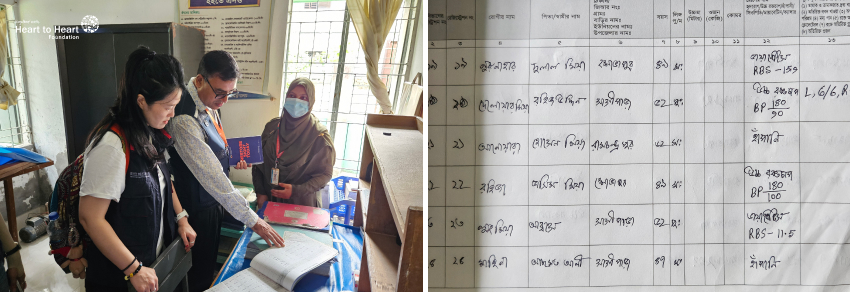
supporting the clinic so that eye exams are smoothly embedded alongside routine blood pressure and glucose checks.
Through this approach, we are working to strengthen community-based eye care and provide accessible services across 85 communities.
Before this visit, I honestly thought monitoring just meant checking boxes on a checklist to ensure activities were implemented according to plan.
But being here taught me that true monitoring is actually a dynamic, hands-on process!
It‘s about using every tool we have—interviews, meetings, observation, and data—to piece together the right clues and guide the project toward success.
Through this process, I deeply realized just how crucial the integration of eye health services with NCD (Non-Communicable Disease) care really is.
People living with NCDs, such as diabetes and hypertension, face a significantly higher risk of vision loss, making routine eye examinations and retinal screenings essential.
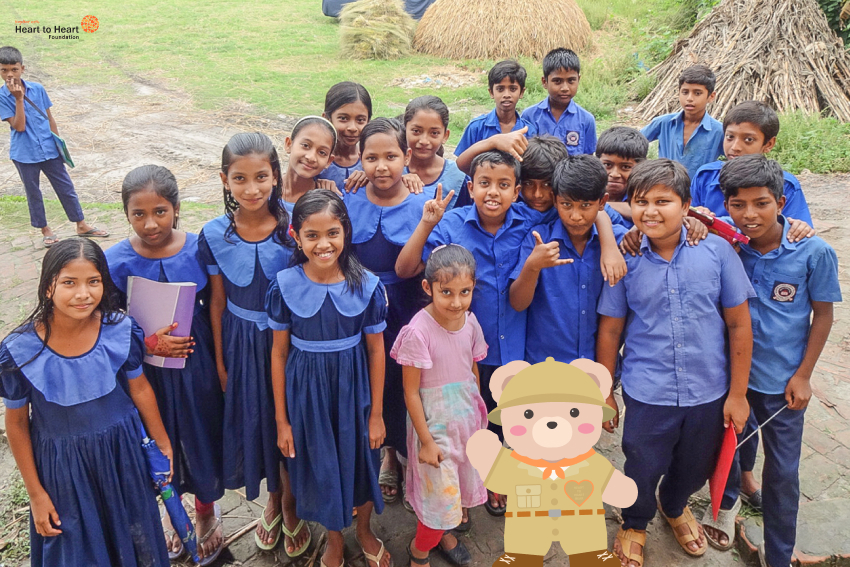
Seeing this linkage in practice and meeting the actual beneficiaries of the project helped me truly understand the impact of our work.
Since early detection and prevention are the cornerstones of primary eye health care,
I could feel how deeply necessary and meaningful this project is for the lives of the local residents.
True monitoring does not stop at identifying problems; it is about bringing those challenges to the table to co-create solutions with our partners.
Throughout the visit, our team engaged with stakeholders at every level, turning field observations into practical outcomes.
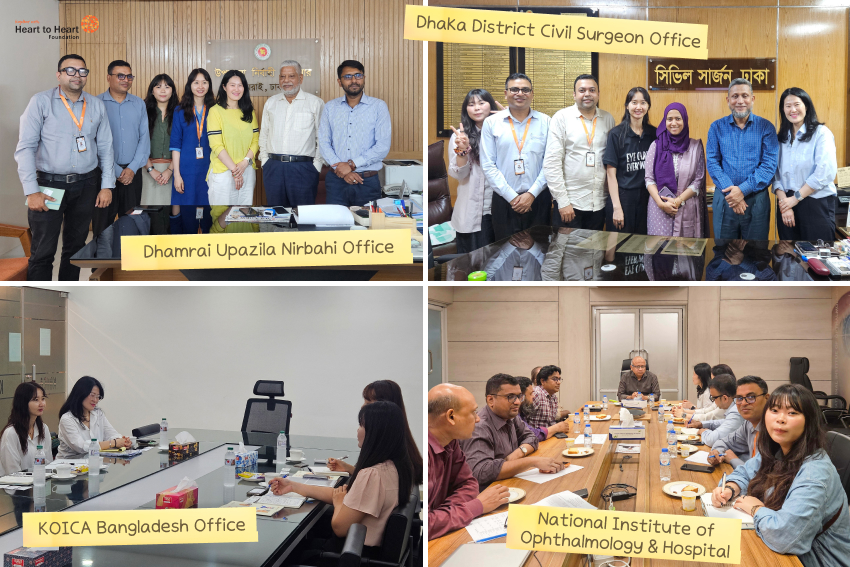
● High-Level Governance (UNO)
We met with the Upazila Nirbahi Officer (UNO) of Dhamrai to officially introduce our project and align our long-term visions.
This official courtesy call laid a firm foundation for mutual trust and future administrative support.
● District-Wide Impact (Civil Surgeon)
We shared our project‘s milestones with the Dhaka District Civil Surgeon (CS). Recognizing the necessity of the project model,
the CS made an unexpected, district-wide commitment to supply essential ophthalmic medicines to all Upazila Health Complexes across the entire Dhaka District!
● Donor Briefing (KOICA)
As this initiative is funded by the Korea International Cooperation Agency (KOICA),
we visited the KOICA Bangladesh Office to transparently share our current project achievements, field observations, and ongoing progress on the ground.
● Immediate Field Solutions (NIO&H)
Armed with the solid data we gathered from our field monitoring, we headed to the National Institute of Ophthalmology & Hospital (NIO&H) to resolve the telemedicine bottleneck.
We presented the challenges patients faced due to connection delays.
And as a direct result, NIO&H officially agreed to assign one dedicated ophthalmologist to support both our Savar and Dhamrai Eye Centers!

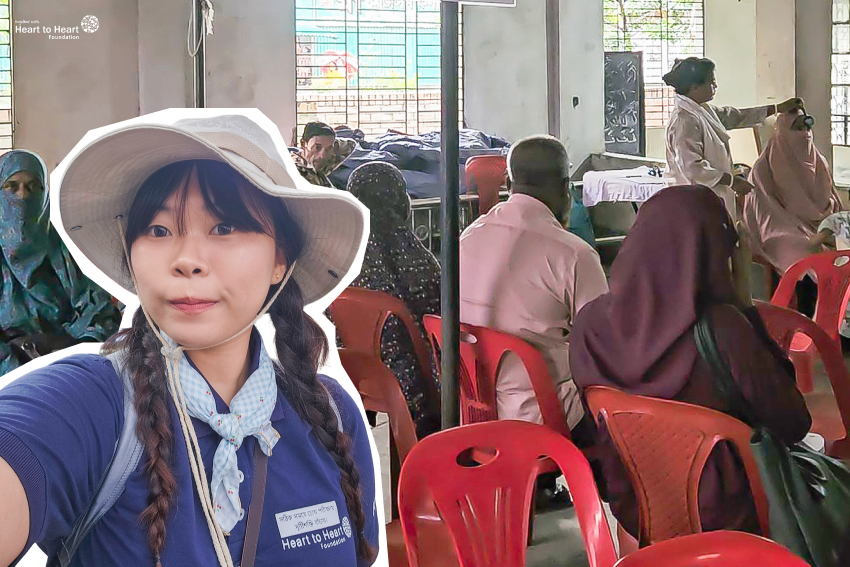
Since this was my very first field visit, I honestly started the journey with many worries.
But I’m bringing home something much bigger: hope.
During the visit, I saw with my own eyes how our project goals are being translated into real medical services for the community.
Watching our plans jump off the page and into real services on the ground filled me with genuine excitement for my career ahead.
Every single part of the process—even the challenges—felt deeply meaningful.
Seeing this impact firsthand completely renewed my pride and filled me with genuine excitement for the career ahead.
I realized that the work I handle in the office is directly connected to improving someone’s access to care, even miles away.
With this experience in mind, I’ll keep learning with a warm, empathetic heart so I can serve as a reliable link that connects people for a better tomorrow.
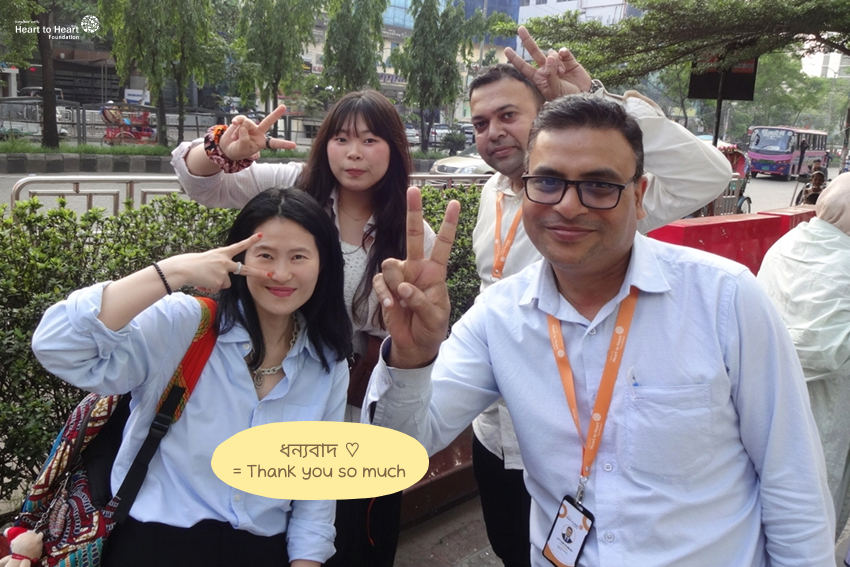
Thank you so much!
The journey to prevent avoidable blindness continues!
Please keep cheering on Heart to Heart Foundation’s meaningful journey ahead.
in Dhaka District, Bangladesh” (2025–2027) is being implemented
through a partnership between the Korea International Cooperation Agency (KOICA) and Heart to Heart Foundation.>